Introduction
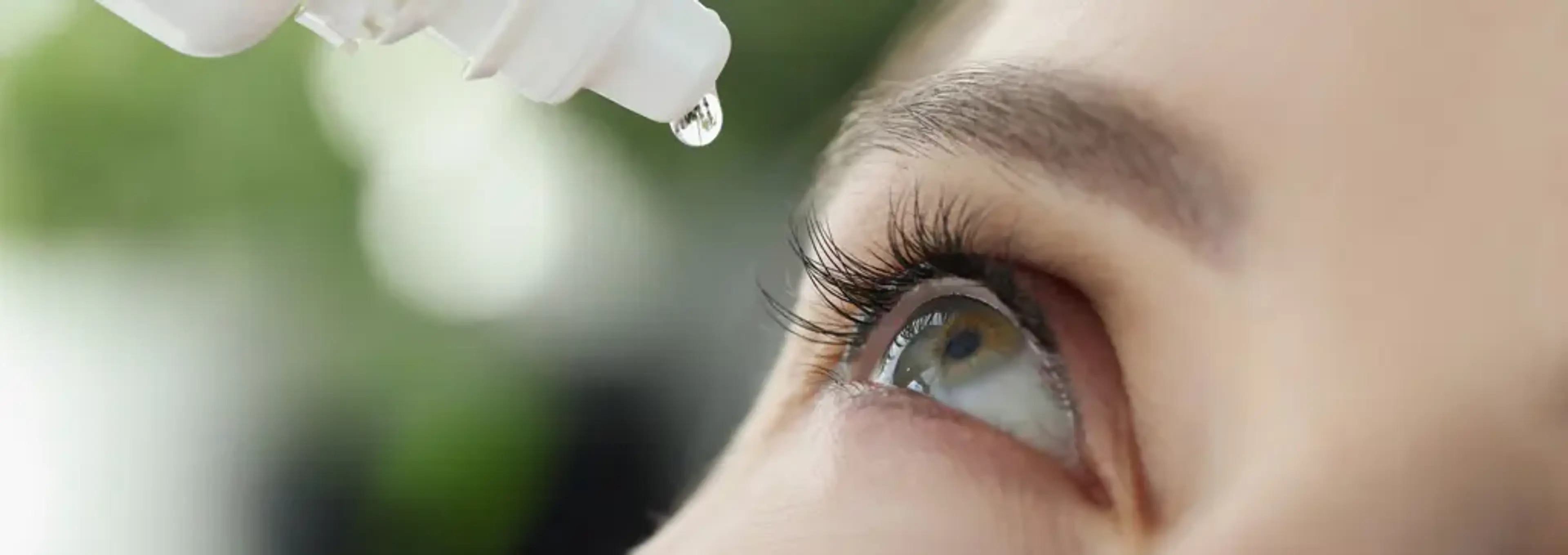
do-eye-drops-expire-why-old-bottles-can-be-dangerousIf you’ve ever reached into your bathroom cabinet and found an old bottle of eye drops, you may have wondered: “Do eye drops really expire?” After all, the liquid often looks the same, smells fine, and might still relieve dryness or redness for a while. But as eye specialists, we can confirm — using expired eye drops is far riskier than it seems.
At Gangnam St. Mary’s One Eye Clinic, where we treat patients from across Korea and abroad for everything from dry eye syndrome to post-surgical care, we often see complications that began with something as simple as an old bottle of drops. Let’s explore why expiration dates on eye drops matter, what can go wrong when they’re ignored, and how to safely store and use them to protect your vision.
Why Eye Drops Expire
why-eye-drops-expireEvery eye drop — whether it’s an artificial tear, prescription medication, or post-surgical antibiotic — contains a delicate balance of active ingredients, preservatives, and stabilizers. Over time, these components gradually break down.
Manufacturers perform stability testing to determine how long the medication remains effective and sterile. The expiration date printed on the bottle marks the last day that the product is guaranteed to meet those standards.
Once that date passes, two things can happen:
The medication may lose potency, meaning it no longer works as intended.
The sterile seal may no longer protect against contamination, allowing bacteria or fungi to grow inside the bottle — even if it looks clear.
In other words, an expired bottle is not just “weaker.” It could be unsafe.
The Hidden Risks of Using Expired Eye Drops
the-hidden-risks-of-using-expired-eye-drops
Many people assume that expired eye drops are harmless, especially if they’re “just lubricating drops.” Unfortunately, this misconception can lead to infections or allergic reactions that harm the cornea — the clear, delicate surface of your eye.
At our clinic, we have treated patients who developed redness, burning, or corneal inflammation after using old bottles. Here are the main reasons expired eye drops can be dangerous:
1. Bacterial or Fungal Contamination
1.-bacterial-or-fungal-contaminationOnce the bottle’s preservative weakens or its nozzle touches your skin or lashes, microorganisms can enter. Over time, they multiply — even in sealed containers. In severe cases, this can lead to keratitis (corneal infection), which can cause pain, scarring, or even permanent vision loss.
2. Reduced Effectiveness
2.-reduced-effectivenessMedications like glaucoma drops, anti-inflammatories, or antibiotics rely on precise concentrations. If they lose potency, your condition may worsen silently. For example, inadequate glaucoma control could raise intraocular pressure and damage the optic nerve — an irreversible process.
3. Chemical Instability
3.-chemical-instabilityThe active molecules in certain drops (especially steroid or allergy formulations) can degrade into irritants. Even if the liquid looks clear, microscopic changes can trigger stinging or swelling.
How Long Eye Drops Last After Opening
how-long-eye-drops-last-after-openingEven if your bottle hasn’t technically “expired,” the countdown starts once it’s opened. Most ophthalmologists — including our specialists at Gangnam St. Mary’s — recommend discarding any opened eye drops after 30 days, unless the packaging clearly indicates a different period.
Why? Because every use slightly exposes the contents to air and potential contaminants. Preservatives can only protect for so long.
Some newer brands offer preservative-free single-use vials, which are safer for sensitive eyes or post-surgical care. However, even these must be used immediately after opening and never saved “for later.”
Reading the Label: What to Look For
reading-the-label:-what-to-look-forWhen checking your bottle, pay attention to three important details:
Expiration Date (EXP) – The date beyond which the manufacturer cannot guarantee safety or potency.
Open-Date Recommendation – Sometimes shown as “use within X days of opening.”
Storage Instructions – Certain prescription drops (especially antibiotics or cyclosporine formulations) require refrigeration.
If you can’t remember when you opened the bottle, it’s safest to assume it’s past its shelf life and dispose of it.
Proper Storage Makes a Difference
proper-storage-makes-a-differenceHow you store your eye drops can significantly affect their lifespan and safety. Here’s how to keep them stable:
Avoid heat and sunlight: Store them in a cool, dry place. Excess warmth can accelerate chemical breakdown.
Keep the cap tightly closed: Even brief exposure to air introduces bacteria and dust.
Don’t share eye drops: Cross-contamination can spread infection — even among family members.
Wash hands before use: Especially for patients recovering from LASIK, LASEK, or SMILE surgery, maintaining sterile technique is essential.
At our Gangnam clinic, we always provide post-surgery patients with detailed instructions on drop storage and hygiene — because even the most advanced vision correction surgery can be compromised by improper drop handling.
When Eye Drops Are Essential — and Must Be Fresh
when-eye-drops-are-essential-and-must-be-freshAfter any eye surgery or infection, eye drops are not optional. They are part of the healing process. Using outdated drops at this stage is particularly risky.
For instance:
After LASIK or LASEK, antibiotic drops prevent infection, and steroid drops reduce inflammation.
After cataract surgery, anti-inflammatory and lubricating drops promote comfort and clarity.
In chronic dry eye management, proper moisture balance depends on drops that remain sterile and effective.
At Gangnam St. Mary’s One Eye Clinic, our ophthalmologists often emphasize that healing eyes are especially vulnerable. Any contamination — even mild — can slow recovery or cause complications that require further treatment.
What to Do If You’ve Used Expired Eye Drops
what-to-do-if-you've-used-expired-eye-drops
If you accidentally used expired drops once or twice, don’t panic — but monitor your eyes closely.
Seek professional evaluation immediately if you notice:
Burning, stinging, or increased redness
Cloudy vision or discharge
Pain or light sensitivity
Persistent dryness that worsens despite continued use
A quick slit-lamp examination can rule out infection or inflammation. The key is not to wait; early treatment prevents long-term damage.
Environmentally Safe Disposal of Old Eye Drops
environmentally-safe-disposal-of-old-eye-dropsDiscarding expired eye drops properly is also important. Avoid flushing them down the sink or toilet, as this can introduce chemicals into the water supply. Instead:
Check if your pharmacy accepts medication returns.
If not, mix the liquid with an absorbent material (like coffee grounds or cat litter), seal it in a bag, and throw it away with household waste.
Always scratch out or remove your personal information on the label before disposal.
The Bigger Picture: Why Expiry Awareness Reflects Healthy Eye Habits
the-bigger-picture:-why-expiry-awareness-reflects-healthy-eye-habitsEye health is often about the small habits that add up over time — replacing old lenses, wearing UV-protective glasses, keeping screens at a comfortable distance, and yes, checking the expiry on your drops.
In Korean culture, where preventive health care is gaining momentum, we see more patients actively managing their eye health long before symptoms appear. This proactive mindset is one reason Seoul has become a trusted destination for international patients seeking eye care — from precise refractive surgeries to long-term corneal management.
Our philosophy at Gangnam St. Mary’s One Eye Clinic reflects that same preventive spirit: we believe clear vision begins with informed, consistent care. Something as simple as respecting expiration dates is part of that commitment.
When to Visit a Clinic
when-to-visit-a-clinicIf you’re unsure about whether your eye drops are safe to use, or if you experience persistent discomfort, it’s best to get a professional opinion.
An eye examination takes only a few minutes but can reveal much more than you expect — including dryness levels, corneal clarity, and signs of infection invisible to the naked eye.
At Gangnam St. Mary’s One Eye Clinic, located in the heart of Seoul’s medical district, our specialists provide personalized diagnostic evaluations using advanced imaging systems and biomicroscopic analysis. Whether you’re managing dry eye, recovering from surgery, or simply want to ensure your routine is safe, our team is here to help.
Key Takeaway
key-takeawayEye drops are among the most commonly used medications — but also the most often misused. Expiration dates are not suggestions; they are safety markers. Using expired eye drops may seem harmless but can quietly compromise your vision health.
If you’re ever in doubt, replace the bottle. Your eyes are worth far more than the cost of a new one.
Trusted Vision Care in Seoul
trusted-vision-care-in-seoulFor over 20 years, Gangnam St. Mary’s One Eye Clinic has guided patients toward clearer, healthier vision through expert diagnosis, precision surgery, and lifelong eye care. Whether you need LASIK, cataract management, or dry eye treatment, we ensure every drop — and every decision — supports your long-term eye health.